How Canadian Online Gamblers Can Protect Their Mental Health: Risk Factors, Neurodiversity, and Safer Platforms in 2026
How Canadian Online Gamblers Can Protect Their Mental Health: Risk Factors, Neurodiversity, and Safer Platforms in 2026
I've spent a lot of time digging into how online gambling intersects with mental health here in Canada, and one thing keeps coming back to me: 'responsible gambling' can't just mean a pop-up reminder every twenty minutes. That's not enough. As someone who follows this space closely, I wanted to put together something practical — a real, honest look at how Canadian players can protect their wellbeing in 2026, especially those who might be neurodivergent or more prone to compulsive patterns.
Understanding the Link Between Online Gambling and Mental Health in Canada
Online gambling has woven itself into everyday life for a lot of Canadians now. What used to mean an occasional trip to a physical casino is now a few taps away, available at 2am from your couch if you want it. That convenience cuts both ways. Sure, it opens up more entertainment options — but it also strips away the natural friction that used to give people a moment to pause and reconsider.
And I think it's worth saying plainly: gambling itself isn't harmful for most people. The problem shows up when it becomes a coping mechanism — for stress, loneliness, anxiety — instead of just a form of entertainment. Slowly, almost without anyone noticing, that can turn into compulsive patterns that chip away at sleep, relationships, and finances.
The Rise of Online Gambling Across Canadian Provinces
Ontario's regulated online gambling market has grown fast since launch, and other provinces are watching closely as they weigh similar frameworks. More Canadians than ever now have easy, legal access to online casinos and betting platforms. With that growth comes responsibility — for operators, sure, but for players too — to keep mental health awareness in the picture alongside the entertainment value.
Recognizing Risk Factors for Problem Gambling
From what I've seen, problem gambling rarely announces itself as a crisis right away. It creeps in. Some warning signs I'd encourage every Canadian gambler to watch for:
- Chasing losses with bigger bets to 'win it back'
- Hiding gambling activity from family or friends
- Using gambling to escape stress, sadness, or boredom
- Spending more time or money than originally planned
- Feeling irritable or anxious when not gambling
Early Warning Signs vs. Serious Red Flags
There's a real difference between mild risk behaviors and genuine red flags. Occasionally blowing a budget or losing track of time? Worth noting, but not necessarily a crisis. Borrowing money to gamble, lying repeatedly about losses, letting work and relationships slide — those are different. That's usually the point where it's time to get professional support instead of trying to white-knuckle it alone.
Neurodiversity and Gambling Vulnerability
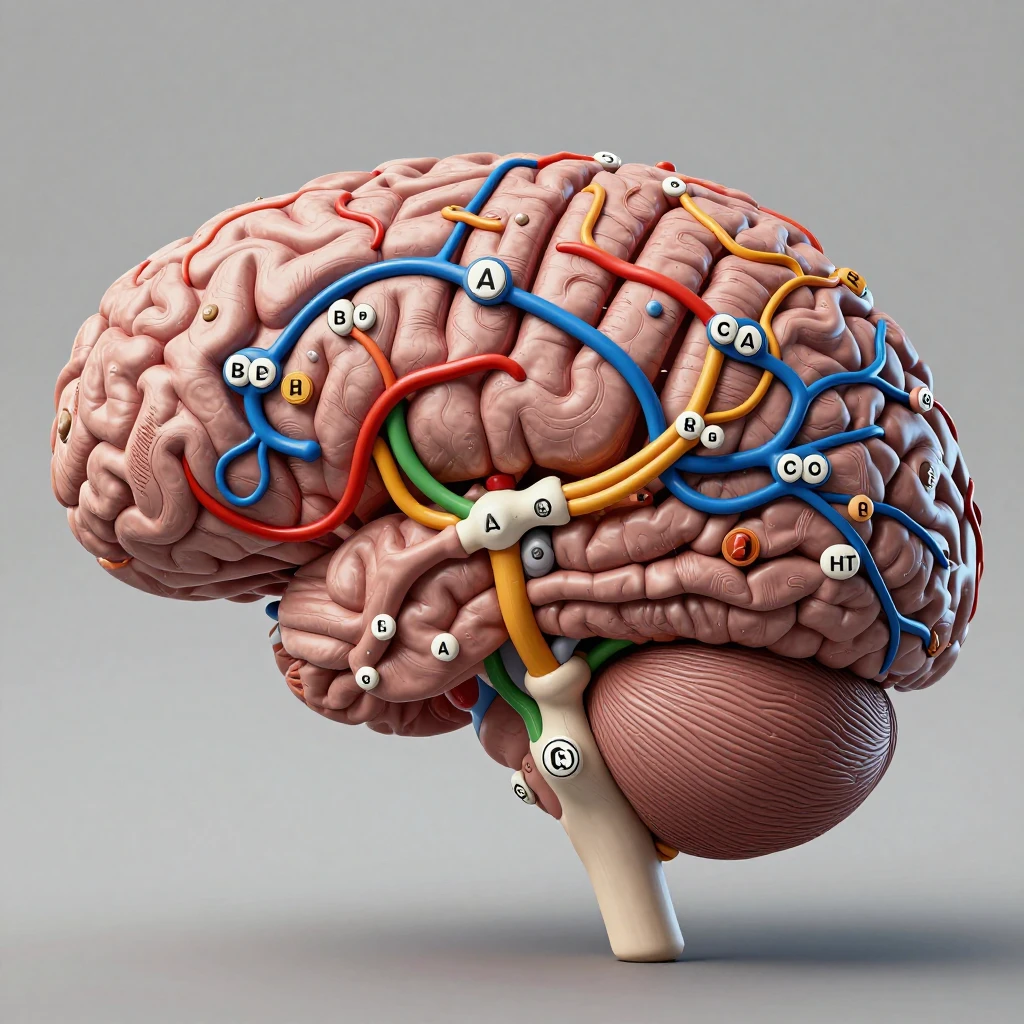
This part of the conversation deserves way more attention than it gets, honestly. Neurodivergent individuals — including people with ADHD, autism spectrum conditions, or sensory processing differences — often face unique vulnerabilities around gambling. Impulsivity, a strong pull toward dopamine-seeking activities, and difficulty reading risk accurately can all make certain gambling environments more harmful for neurodivergent players than for neurotypical ones.
Fast-paced games with constant feedback loops — flashing lights, instant rewards, rapid betting cycles — can be especially stimulating for a brain that's already wired to chase novelty and immediate payoff. Recognizing that isn't about stigma. It's about building better self-awareness and finding neurodiversity-informed resources that actually get these patterns, instead of treating every gambler like they're the same.
Choosing Safer Gambling Platforms with Mental Health in Mind
Not every online casino is built with player wellbeing in mind — and that's something more Canadians need to understand before they sign up anywhere. A platform that actually cares about responsible gambling offers tools like deposit limits, self-exclusion options, and transparent odds, and puts them front and center. Not buried three menus deep in fine print.
For neurodivergent or at-risk gamblers specifically, I'd strongly recommend doing some homework first. Organizations focused on neurodiversity-informed resources — like the team behind the bitcoin casino guidance available through DiverseNeuro — can help explain how certain platforms, including crypto-based ones, line up better or worse with specific cognitive and emotional needs. Knowing that upfront can genuinely change how safely someone engages with online gambling.
Key Features to Look for in a Mental-Health-Conscious Platform
When I'm sizing up any platform, there are a few non-negotiables I check for:
- Reality checks that remind players how long they've been active
- Time-tracking and session limit tools
- Clear, transparent crypto transaction histories (especially important for Bitcoin-based platforms)
- Easy-to-access self-exclusion and cooling-off periods
- Visible links to Canadian problem gambling support services
Practical Strategies to Protect Your Mental Health While Gambling Online
Beyond picking the right platform, there are everyday habits that genuinely help — and most of them aren't complicated. I'd suggest:
- Setting a strict budget before you start playing, and sticking to it regardless of wins or losses
- Scheduling regular breaks, even short ones, to reset emotionally
- Paying attention to emotional triggers — stress, boredom, or sadness — that might push you toward gambling
- Actually using the platform's built-in tools, like deposit caps or session reminders, instead of ignoring them
- Gambling only with money you've already budgeted for entertainment, never with funds meant for essentials
Where Canadian Gamblers Can Find Support and Resources
If you or someone you know is struggling, Canada has a few resources worth knowing about. The Canadian Centre on Substance Use and Addiction offers national guidance, while provincial responsible gambling programs — like ConnexOntario in Ontario — provide free, confidential support around the clock. There are also neurodiversity-focused organizations working specifically to help people understand their unique risk profiles and build coping strategies that actually fit how their brain processes reward and risk — not a one-size-fits-all script.
Conclusion: Playing Smart, Staying Safe
At the end of the day, protecting your mental health while gambling online comes down to self-awareness, honest reflection, and choosing platforms that genuinely put your wellbeing ahead of their profit margins. Whether you're neurodivergent, managing stress, or just enjoying a casual night of play, taking time to understand your own risk factors is one of the most responsible things you can do. Gamble smart, stay informed — and don't hesitate to reach out for support if things start feeling out of your control.