How Canadian Bitcoin Casinos Are Shaping Responsible Gambling Standards in 2026: A Guide to Safe, Regulated Crypto Betting Platforms
How Canadian Bitcoin Casinos Are Shaping Responsible Gambling Standards in 2026: A Guide to Safe, Regulated Crypto Betting Platforms

Cryptocurrency gambling has moved well past its early reputation as some shadowy corner of the internet. Here in Canada, I've watched Bitcoin casinos go from a niche curiosity for tech-savvy bettors into something that's genuinely reshaping how the whole industry thinks about player safety. Weird to say out loud. But true.
The speed and anonymity that once made crypto gambling feel like the 'wild west' are now getting paired with transparency tools and oversight — stuff a lot of traditional online casinos still haven't caught up to. That gap used to run the other way, and honestly, I didn't see this coming a few years back.
What's happening in 2026 is a quiet revolution, if you squint at it right. Blockchain tech, originally prized for its decentralization, is now doing double duty as a trust-building mechanism for responsible gambling (RG) practices. This piece walks through how that shift is unfolding, what regulators and operators are actually doing about it, and what Canadian players should look for before depositing their first satoshi.
What Makes a Bitcoin Casino Different in 2026
At their core, Bitcoin casinos still offer what drew players to them in the first place: near-instant deposits and withdrawals, provably fair game verification, and a level of pseudo-anonymity traditional banking rails simply can't touch. These aren't gimmicks. They're structural differences that change the entire player experience, start to finish.
But those same features cut both ways once responsible gambling enters the picture. Instant transactions mean there's no built-in 'cooling off' window the way a slow bank transfer might accidentally create. Pseudo-anonymity, while appealing to anyone who values privacy, can make it harder for operators to flag one person gambling across three or four wallets at once.
So the platforms getting this right in 2026 understand something simple: speed and privacy need active safeguards sitting right next to them. Not an excuse to skip safeguards altogether.
Provably Fair Technology and Player Trust
One of the genuinely good contributions crypto casinos have made is provably fair gaming. Using cryptographic hash functions, players can verify — independently, without just taking the operator's word for it — that a game outcome wasn't manipulated after the fact. I've tested this myself on a few licensed platforms, and there's something almost satisfying about auditing a slot spin or a blackjack shuffle the same way you'd check a blockchain transaction. Nerdy, maybe. Still satisfying.
This matters for responsible gambling in a way that's easy to miss. Players who trust that games aren't rigged tend to make more rational calls. They're less likely to spiral into 'the house is cheating me' thinking — the kind that often fuels chasing losses in the first place. Trust turns out to be a quiet, almost boring, but genuinely powerful RG tool. Not flashy. Just effective.
The Current Regulatory Landscape for Crypto Gambling in Canada
Canada's regulatory patchwork has historically kept crypto gambling in a gray area. That's changing, and fast. Ontario, through iGaming Ontario, has been expanding its licensing framework to explicitly accommodate operators that support cryptocurrency transactions — provided they meet the same standards as fiat-based platforms. Other provinces are watching closely. Some are already drafting their own crypto-inclusive frameworks for 2026 and beyond.
A big piece of this puzzle is KYC (Know Your Customer) and AML (Anti-Money Laundering) compliance. Sounds counterintuitive for a decentralized currency, I know. But reputable Canadian-facing operators now require identity verification even when deposits arrive in Bitcoin or Ethereum. This isn't just regulatory box-checking — it directly supports RG efforts by linking gambling activity to a verified person, which is what actually makes self-exclusion and limit-setting enforceable instead of symbolic.
Responsible Gambling Tools Built Into Modern Bitcoin Casinos
Licensed crypto casinos operating in Canada today typically offer a set of RG tools that would've been unheard of five years back. These include:
- Customizable deposit and wagering limits tied to verified accounts
- Self-exclusion programs that can span multiple linked platforms
- Reality check pop-ups reminding players how long they've been gambling
- Mandatory cooling-off periods after rapid, high-volume betting
- AI-driven behavioral monitoring that flags patterns associated with problem gambling, such as escalating bet sizes after losses
What stands out is how these tools increasingly live inside the platform's smart contracts or account architecture itself, rather than getting bolted on afterward just to satisfy a compliance checklist. Built in, not stapled on.
Self-Exclusion and Deposit Limits in a Crypto Context
Here's the tricky part: crypto transactions are irreversible, and a player can, in theory, spin up a new wallet in minutes to sidestep a self-imposed limit. This has been one of the biggest operational headaches for operators trying to build meaningful RG safeguards on blockchain-based platforms. Not an easy problem to solve — I don't think anyone's cracked it fully yet.
The fix gaining traction in 2026 is wallet-linked exclusion systems, where a verified identity (not just a wallet address) gets tied to account restrictions. If a player self-excludes, that exclusion follows their identity across any new wallets or accounts they try to open on the same licensed network. It's not a perfect system yet — far from it, honestly — but it's a real step beyond the honor-system approach that defined early crypto gambling.
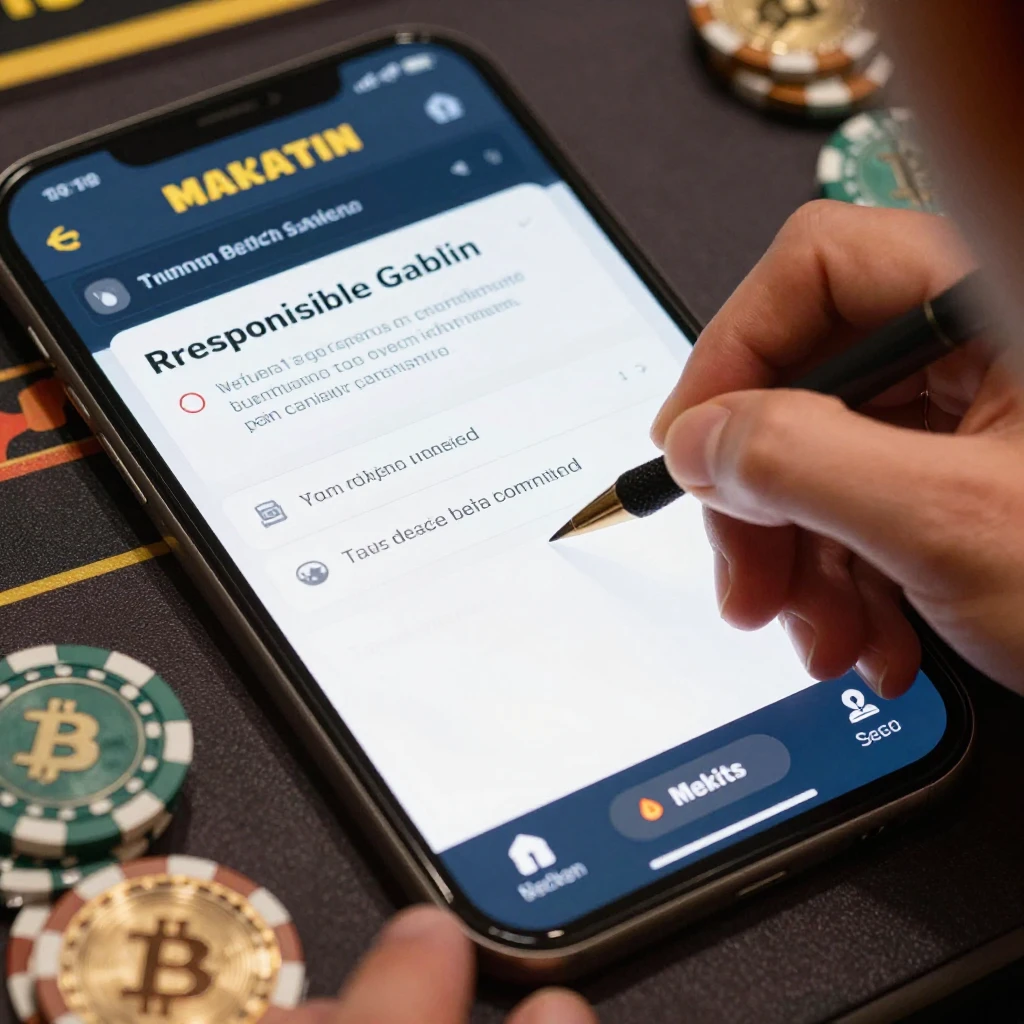
How to Identify a Safe, Regulated Bitcoin Casino
For Canadian players trying to separate the trustworthy operators from the opportunistic ones, here's a practical checklist I always come back to:
- Confirm the casino holds a license from a recognized authority (iGaming Ontario, Malta Gaming Authority, or similar)
- Look for third-party RG certifications, such as those from GamCare or similar accredited bodies
- Read the terms of service for clear language around withdrawal limits, dispute resolution, and self-exclusion policies
- Check whether the platform publishes independent audit results for its games and payout systems
- See if the operator links to credible player-protection resources instead of burying them in fine print
If you're ever unsure whether a platform is cutting corners on player protection, organizations focused on gambling awareness can be an invaluable reference point. Resources like those available through bitcoin casino help Canadian players understand common red flags, learn what genuine support actually looks like, and get help if gambling has started feeling less like entertainment and more like a problem. Treating these resources as part of your due diligence — not just a last resort when things go sideways — is one of the smartest habits a crypto bettor can build.
Common Mistakes Players Make with Crypto Betting
Even with better tools out there, players still fall into the same predictable traps. A few I see constantly:
- Chasing losses with volatile gains. Using a lucky crypto price swing to justify bigger bets is a classic trap — market gains and gambling losses aren't the same risk category, and treating them as interchangeable money is a fast track to trouble.
- Ignoring self-set limits because the money 'feels less real.' Watching a number tick down in BTC doesn't carry the same gut-punch as handing over cash, which makes it way easier to blow past limits you set for good reason.
- Using unlicensed offshore platforms. These often skip RG tools entirely because no regulator's forcing them to include any. If a site has no visible license info, that's a dealbreaker, not a minor inconvenience worth overlooking.
The fix for all three is pretty much the same: stick to licensed, regulated platforms, and treat crypto deposits with the same seriousness you'd apply to a bank transfer. Nothing fancier than that, really.
The Future of Responsible Crypto Gambling in Canada
Looking ahead, I'd bet on more harmonization between provinces on crypto-specific licensing, maybe nudged along by federal guidance as crypto gambling volume keeps climbing. There's also growing collaboration between blockchain developers and addiction support networks — building RG features directly into smart contract logic instead of treating them as a compliance layer tacked on after the fact.
If this trend holds, by the time I'm writing about 2027's standards, 'safety by design' might just be the baseline expectation rather than a selling point. That's my guess, anyway. Could be wrong, but the direction seems clear enough.
Conclusion
Canadian Bitcoin casinos have come a long way from their unregulated, novelty-driven beginnings. In 2026, the best of these platforms are proving that crypto innovation and responsible gambling aren't opposing forces — they reinforce each other through transparency, verifiable fairness, and smarter enforcement of player protections.
As a player, the responsibility ultimately lands on you: choose licensed operators, use the RG tools that are already sitting right there, and lean on credible resources when you need guidance. The platforms leading this space in 2026 are the ones that treat player safety as part of the product itself, not an afterthought stapled on at the end.